







Search Results for: Frozen Storage
Coffee Bean Storage | Can You Use the Freezer to Keep Coffee Beans Fresh? Do Frozen Coffee Beans Need to Be Thawed Before Brewing?
Freezing is a very popular method of "preserving" coffee beans in recent years. Simply seal the coffee beans and toss them into the freezer, and the flavor loss of the coffee will slow down, thus extending its shelf life. Many friends have adopted this method to stock up on coffee beans purchased during Front Street Coffee's discount events. [more…]

Home Coffee Bean Storage Methods | Can Freshly Roasted Coffee Beans Be Frozen in the Refrigerator? Can Sealing the Degassing Valve Slow Down the Loss of Coffee Bean Flavor?
Recently, everyone has probably stocked up on beans during Double Eleven. The questions asked to Front Street are all things like "How long can the flavor of unopened coffee beans be preserved at most?" and "How can opened coffee beans be stored to slow down the rate of flavor loss?" Today, Front Street will talk about the issue of storing coffee beans. How long can the flavor of coffee beans be preserved? Can it be asked this [more…]
Freezing Coffee Beans for Storage | Should Coffee Beans Be Stored in the Refrigerator? Why Freeze Coffee Beans? How Should Coffee Beginners Store Coffee Beans Daily?
"Front Street Coffee recently noticed a topic in our chat group." How do you all store your coffee beans after buying them? In the fridge! I've seen many coffee experts keep their beans in the fridge. But won't the beans get damp in the fridge? The fridge is dry! (So Front Street Coffee interviewed various coffee beans 🎤) [more…]
Green Coffee Storage | What Are Green Coffee Packaging Methods? Introduction to Green Coffee Storage Temperature, Humidity, and Shelf Life
Until recent years, all coffee beans were packaged in burlap sacks and transported in shipping containers, only reaching roasters several months after the beans had been processed. If roasters and importers occasionally wanted to cup coffee beans from the place of origin, or taste a "pre-shipment sample," what they received instead would be stored [more…]
Yirgacheffe's Resting Period: How to Drink It from Roasting to After Opening
To keep Yirgacheffe from tasting sharp, don't just fixate on the words "low acidity" on the flavor chart when buying—also pay attention to the roast date and your own drinking pace. Coffee beans need to go through a degassing process from the moment roasting finishes until they reach a stable state; brew too early and you may get a pungent acidity in the cup, with aromas scattering, and so on. [more…]
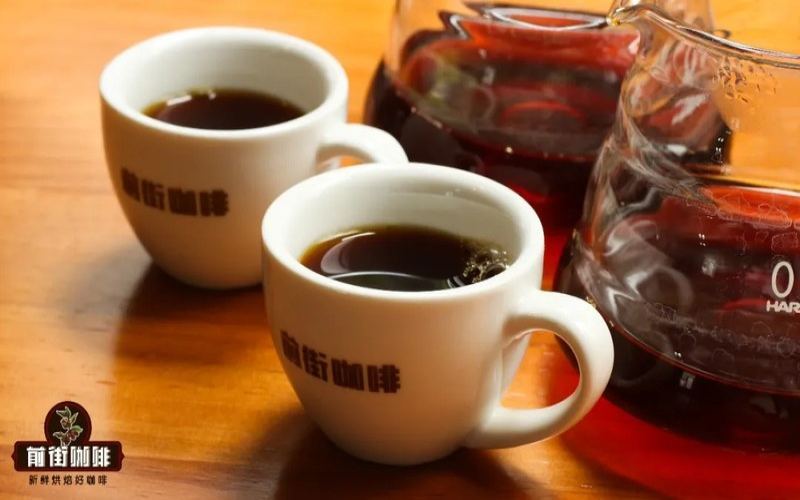
When to Open a Bag of Coffee Beans for Your Café: The Brewing Rhythm After the Roast Date
When coffee beans have just left the roaster, the bean body will still continue to release carbon dioxide. At this point, opening the bag gives a very strong aroma, but that does not mean it immediately reaches the ideal state for brewing; too much gas can make espresso flow fluctuate, and can also cause pour-over blooming to expand too quickly. When choosing beans for a shop, what matters is not "the closer to the roast date the better," but how it [more…]

Coffee Bean Storage Methods | Which bagged coffee bean roasting brands are recommended for beginners? How long after the roast date do coffee beans taste best?
Whether it's for a morning wake-up, an afternoon pick-me-up, or a slow, leisurely brew at home, choosing the right coffee beans can bring café-quality flavor right to your doorstep. Today we're bringing you a coffee bean brand with a stellar reputation across the web, along with a roundup of bagged coffee beans that deliver consistent flavor and are absolutely worth repurchasing—so beginners can avoid any missteps, and longtime fans can stock up with complete confidence. [more…]
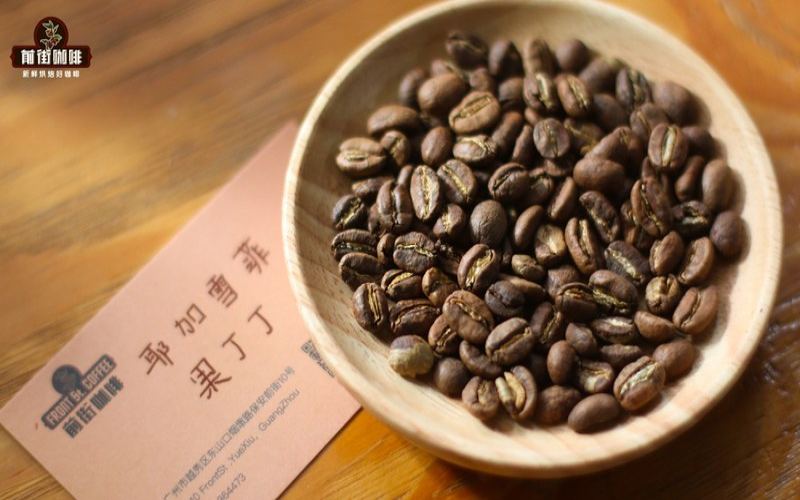
When to Start Drinking Espresso Beans: Roast Date, Degassing, and Storage Rhythm
After coffee beans leave the roaster, their flavor does not settle immediately. The beans continue to release carbon dioxide; when freshly roasted beans are used to make espresso, the puck is easily disturbed by the gas, making flow rate and extraction uniformity harder to stabilize. So-called freshness does not mean the closer to the roasting moment the better, but rather allowing aroma liveliness, degassing state, and [more…]
From roast date to opening the bag: an espresso bean flavor timeline
The state of espresso beans changes over time: when freshly roasted, the gases are active, then the aromas gradually unfold, and finally they slowly settle into a gentler state. Therefore, "the closer to the roast date, the better the taste" does not apply to all espresso extractions. When selecting beans, understanding the roast date, giving the beans an appropriate rest, and planning a reasonable schedule for opening the bag make it easier to [more…]
Light-roast beans from roaster to cup: freshness determines how to brew
The aroma of lightly roasted beans is often very distinct, but from the moment roasting is completed to the moment they are brewed, they do not immediately reach their ideal state. The beans continue to slowly release carbon dioxide internally, and brewing too early tends to produce sharp acidity, dissipated aroma, and insufficient sweetness. When you consider the roast date, resting time, and the rate of consumption after opening together, [more…]
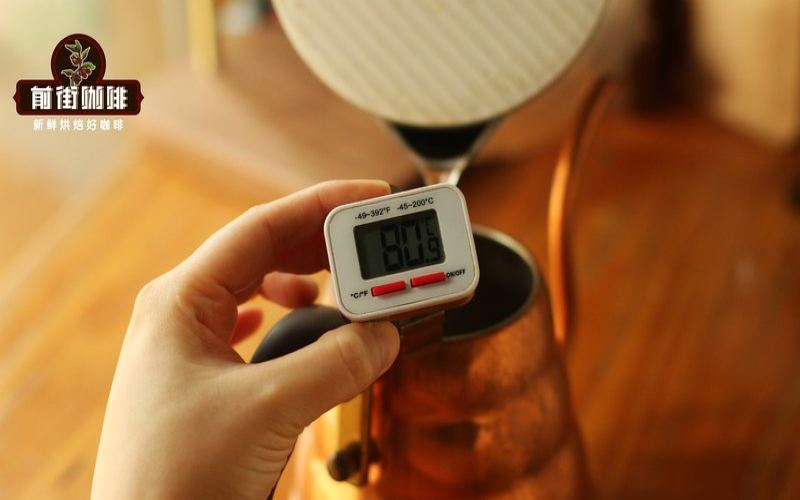
From roast date to opening rhythm, this is how to enjoy coffee beans
After you bring coffee beans home, the flavor doesn't immediately settle into its ideal state. When roasting ends, carbon dioxide still remains inside the beans, and the aromas need time to reorganize. When beginners choose beans, they can first look at the roast date, then plan their drinking pace, so that every cup they brew stays in a stage that's relatively easy to recognize, rather than [more…]
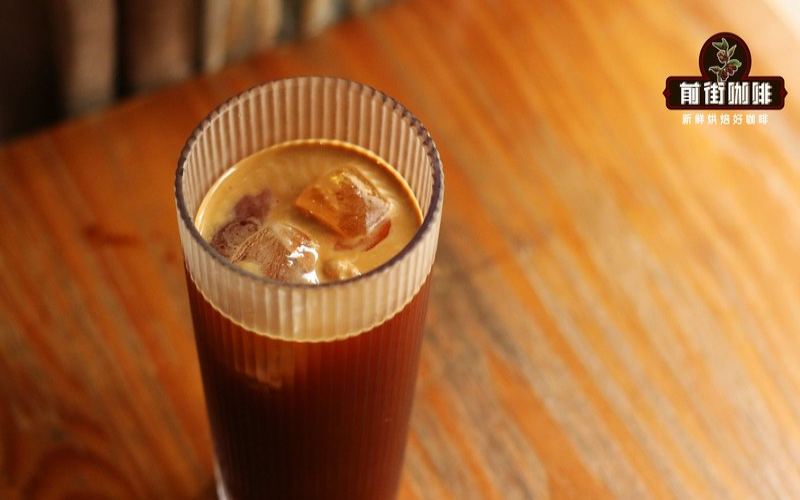
When to Start Drinking Medium-Roast Pour-Over Beans: A Flavor Calendar After Roast Date
The aroma of medium-roast pour-over beans isn't fully developed the moment they come out of the roaster. After roasting, the beans continue to release carbon dioxide, and the volatile aromatics are still re-integrating; if you brew too early, the coffee bed puffs up noticeably, water tends to channel around it, and the cup may have a soaring aroma but sweetness that hasn't come together yet. So when choosing beans, you should check the roast date, and also give them time to [more…]
The Flavor Clock After Opening Dark Roast Beans
When dark-roasted coffee beans first leave the roaster, the aroma is often very pungent, and the cup tends to show sharp smoky notes, diffuse bitterness, and a sweetness that isn't cohesive enough. The reason is that after roasting, the beans are still releasing carbon dioxide, which affects the state of the coffee bed and the water flow. When buying beans, check the roast date first, then plan your drinking schedule—this matters more than just [more…]
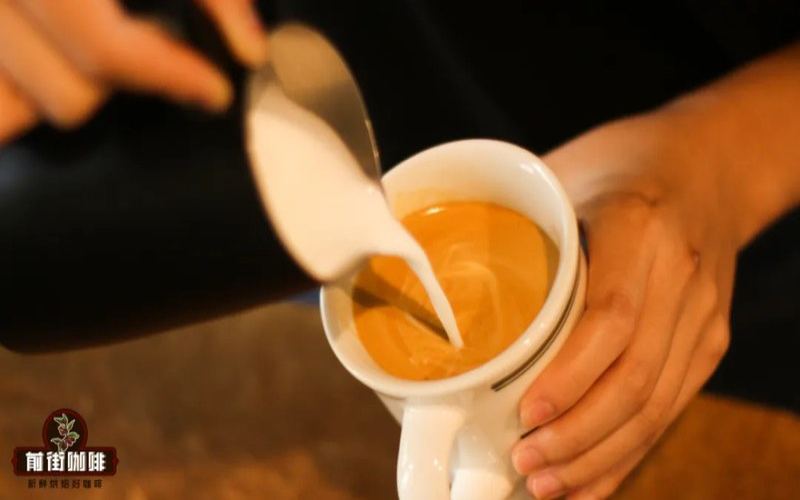
After the roast date: when to open a bag of pour-over beans and how to keep the aroma going
After coffee beans leave the roaster, they continue to release carbon dioxide internally. If you brew them immediately, the gas may prevent hot water from evenly entering the coffee bed, making the aroma lively but somewhat hollow, and the sweetness not fully developed. After resting for a period, degassing tends to slow down, and the floral and fruity notes, acidity, sweetness, and aftertaste are more easily connected in the cup. This is the arrangement for [more…]
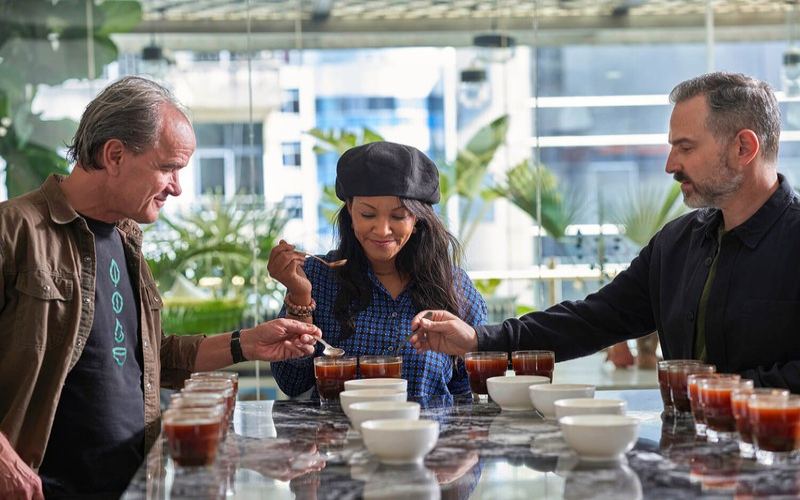
Chocolate-flavored beans: when are they smoothest to drink?
The cocoa, nut, and caramel aromas of chocolate-flavored coffee beans often need a little time to settle before they emerge from the smoky, roasty character left by the roast. When buying beans, don't just look at the flavor label—also pay attention to the roast date, the packaging method, and your own pace of drinking. These factors determine the rhythm of a bag of beans from opening to finishing. [more…]
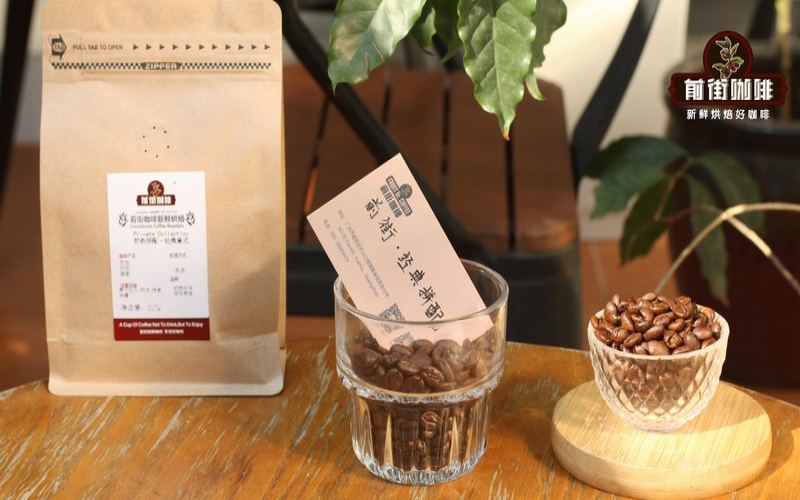
The Flavor Window and Drinking Rhythm of Nutty Cocoa Beans
For coffee beans with notes like nut, cocoa, and caramel, the appeal often lies not only in the roasting label, but also in the state they are in when you take that first sip. Drink the beans too early, and the aroma may be masked by the degassing process; leave them too long, and the originally round sweetness will gradually thin out. Only by mastering the rhythm from opening the bag to finishing the last cup can you more consistently [more…]
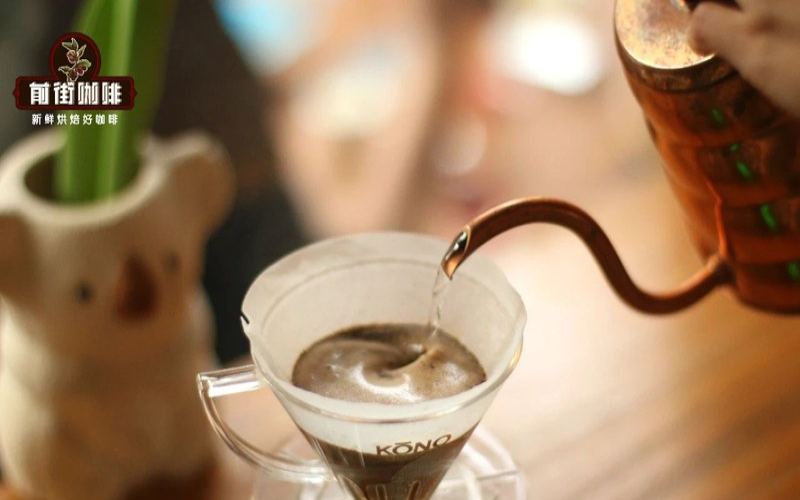
How to drink your coffee beans within their flavor window after buying them
The price of a bag of coffee beans reflects not only its origin and variety, but also the time between when it finishes roasting and when it reaches your lips. Drink the beans too early, and the aroma may be blocked by gas; leave them too long, and the originally clear floral and fruity notes gradually fade. If you want to buy beans that are both delicious and good value, first learn to read the dates, then plan your drinking accordingly. [more…]
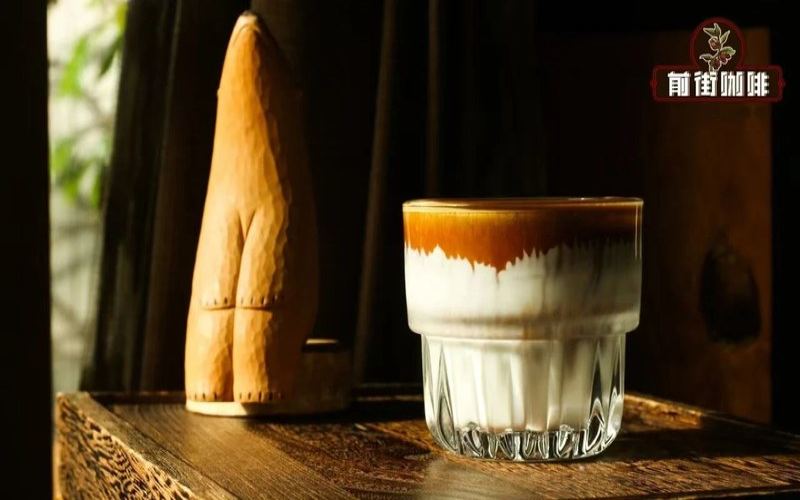
SOE Bag-Opening Rhythm: From Roast Date to Peak Flavor
SOE beans need to go through a degassing process from the completion of roasting to the unfolding of flavor. Freshly roasted beans contain a lot of carbon dioxide, so when brewing, the contact between water and coffee grounds can be uneven, and the aroma may also seem closed off; after proper resting, the acidity, sweetness, floral notes, and finish will gradually come together. Therefore, the closer the date does not necessarily mean the cup [more…]
The window for delicious iced coffee starts with the roast date
Iced coffee is very sensitive to the freshness of the beans. Low temperatures hold back some of the aroma, and ice further dilutes the concentration. If the beans are still in an intense degassing phase, the cup can easily show sharp acidity and a thin, hollow mouthfeel; if left too long, the floral and fruity notes and sweetness gradually fade. When selecting beans, besides looking at the flavor description, also pay attention to the roasting [more…]
After the Roast Date, When Is the Best Time to Drink Coffee Beans for the Best Flavor?
Before putting coffee beans into an espresso machine, the roast date is worth checking before the aroma words on the packaging. Freshly roasted beans are still rapidly releasing carbon dioxide, and after grinding, the coffee bed is easily disturbed by the gas, which also causes fluctuations in the espresso flow rate and crema condition. Allow an appropriate resting period, and then plan to finish a bag of beans during its peak flavor stage, usually [more…]